

The Power Of Skip-Level Meetings
There is a fine line between being informed and being intrusive.
You should always validate the leaders around you. Honor their role. Respect their authority. Protect the communication lines. Do not jump into conversations that should happen between a leader and their direct report.
Nothing frustrates a leader faster than feeling like you are going around them, over them, or behind them.
But here’s the leadership tension:
You cannot coach what you do not understand.
Sometimes, to better coach the leaders you lead, you need more context about what is really happening inside their team. That is where skip-level meetings can become a powerful leadership tool.
A skip-level meeting is when you meet with someone who reports to one of your direct-report leaders. You are “skipping” one level to hear from the people closer to the work.
But be careful.
Skip-level meetings are not a license to micromanage. They are not an excuse to bypass authority. They are not a way to gather gossip or take control of someone else’s team.
When done poorly, skip-level meetings create suspicion.
When done wisely, they create insight.
Perspective Changes Everything
One of the biggest mistakes leaders make is trying to coach without enough perspective.
When you are too close to an issue, it can feel bigger than it really is. It becomes like holding a quarter right up against your eye. The quarter is small, but when it is too close, it blocks everything else.
That is what happens with problems. When you back up, you see more clearly. Skip-level meetings help you back up. Sometimes the leader you are coaching only sees one side of the issue. Sometimes they do not know what their team is feeling. Sometimes they are too close to the tension, frustration, or communication breakdown to see it accurately.
That does not mean they are a bad leader.
It means they are human.
Your job is not to expose them.
Your job is to equip them.
The Goal Is Coaching, Not Controlling
The purpose of skip-level meetings should always be to make your leaders better, not smaller.
If your leader feels like you are checking up on them, they will get defensive. If they feel like you are undermining them, they will lose trust. But if they know your goal is to coach, develop, and support them, skip-level meetings can become healthy.
This is why you must communicate clearly.
Tell your leaders ahead of time:
“I will occasionally meet with members of your team. I am not doing this to micromanage you or bypass your leadership. I am doing it so I can better understand what is happening on the ground and coach you more effectively.”
That one conversation can protect trust.
Protect The Chain Of Command
When you meet with someone below one of your direct reports, reinforce the right communication process.
Say things like:
- “Have you talked with your leader about that?”
- “That would be a great conversation to have with your direct leader.”
- “I appreciate you sharing that with me. I want to make sure we honor the right process.”
- “I’ll use this as context to better support your leader, not go around them.”
You are not there to become their new leader.
You are there to better develop the leader they already have.
Listen For Patterns, Not Just Problems
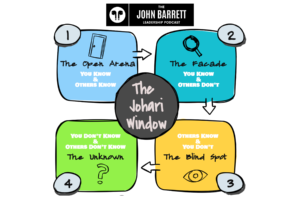
Every leader has blind spots.
Sometimes a team is confused, but their leader thinks everything is clear. Sometimes morale is slipping, but the leader thinks everyone is fine. Sometimes hidden potential is sitting right in front of them, but they have not seen it yet.
The people closest to the work often see what higher-level leaders cannot see.
They see:
- Where communication is unclear.
- Where systems are breaking down.
- Where customers are frustrated.
- Where their leader is thriving.
- Where their leader may need support.
But remember:
That information is not ammunition.
It is coaching material.
Awareness Is Not Interference
The best leaders stay aware without meddling.
Awareness says, “I want to understand so I can lead better.”
Interference says, “I want to control what is happening.”
Awareness develops leaders.
Interference diminishes them.
So use skip-level meetings wisely. Use them carefully. Use them with humility and transparency. Validate your leaders. Honor their authority. Protect the chain of command. Do not meddle in business that is not yours to manage. But stay aware enough to lead well.